The Secret Language of Great Design: Mastering Balance, Harmony, and Flow
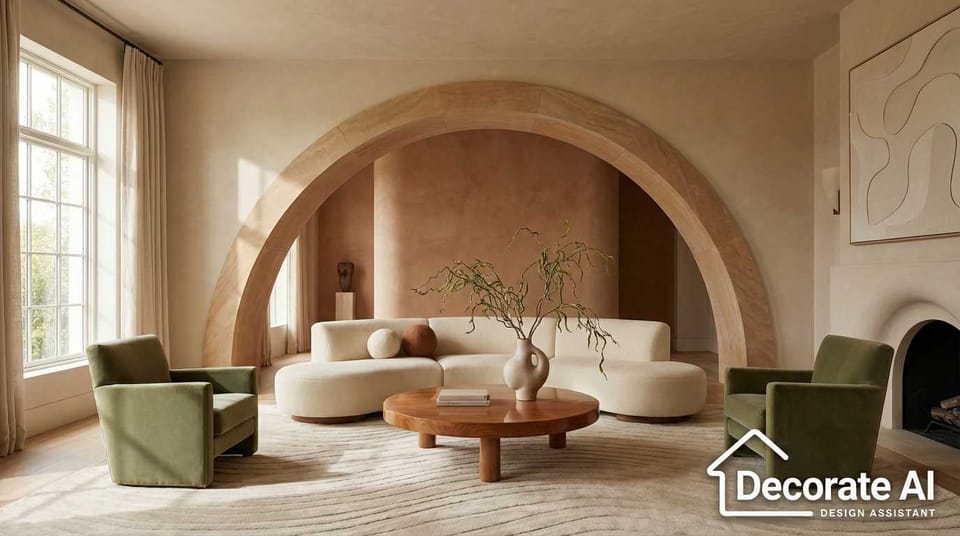
Have you ever walked into a room and felt an instant sense of calm and order? Or stood in your own living room, surrounded by things you love, and wondered why it just feels… chaotic?
You’re not alone. This feeling of a room being "off" is a common frustration. Many people assume great interior design is an innate talent or a luxury reserved for those who can afford professional help. But the truth is, it’s a skill. And like any skill, it's built on a set of foundational principles.
Leading home decor blogs like Apartment Therapy and Decorilla often present these as a list of "rules," which is a great starting point. But to truly gain confidence and avoid costly mistakes, you need to understand the why behind the rules—the secret language that designers use to create spaces that don't just look good, but feel right.
This guide will teach you that language. We’ll go beyond a simple list to explore the core aesthetic principles that govern all great design. More importantly, we’ll show you how technology can help you apply them perfectly, turning design theory into a reality in your own home.
The Foundation: Achieving Harmony and Unity
Before we break down the individual components, let’s start with the ultimate goal: harmony. A harmonious room is one where all the elements—furniture, color, texture, and decor—work together to create a cohesive and pleasing whole. It’s the feeling that everything belongs.
Think of it as the difference between a random collection of notes and a beautiful piece of music. Harmony is what makes your home feel unified and intentional.
How to create harmony:
- Establish a Clear Color Palette: The 60-30-10 rule is a classic for a reason. Use a dominant color for 60% of the room (like walls), a secondary color for 30% (furniture, rugs), and an accent color for the final 10% (pillows, art).
- Repeat Elements: Consistently use a specific material, pattern, or shape throughout the space. This could be repeating the black metal from your light fixtures in your chair legs and picture frames, creating a subtle visual thread that ties the room together.
Achieving this balance manually can be tricky. But understanding the goal is the first step toward creating a home that, as Room For Tuesday puts it, truly "flows."
Principle Deep Dive 1: Balance (The Feeling of Stability)
Balance is about how you distribute the visual weight of objects in a room. A balanced room feels stable, grounded, and comfortable. An unbalanced one can feel unsettled and visually distracting. There are three main ways to achieve it.
Key rules of thumb:
- Living Room Rug: Your rug should be large enough that at least the front legs of your sofa and all armchairs are on it. This unifies the seating area.
- Coffee Table: It should be about two-thirds the length of your sofa and roughly the same height as the sofa cushions, or slightly lower.
- Art Above Furniture: When hanging art over a sofa or console, it should be about two-thirds the width of the furniture piece and hung 6-8 inches above it.
Bridging Theory and Practice: How Decorate AI Masters These Principles
Understanding these principles gives you the knowledge of a designer. But applying them all at once, in your own unique space, can still feel overwhelming. This is the exact challenge Decorate AI was built to solve.
While competitors offer inspiration, they leave the complex work of application entirely up to you. Our platform bridges that gap. We’ve encoded these timeless aesthetic principles into our AI, creating a powerful tool that doesn't just show you pretty pictures—it generates designs that are fundamentally sound.
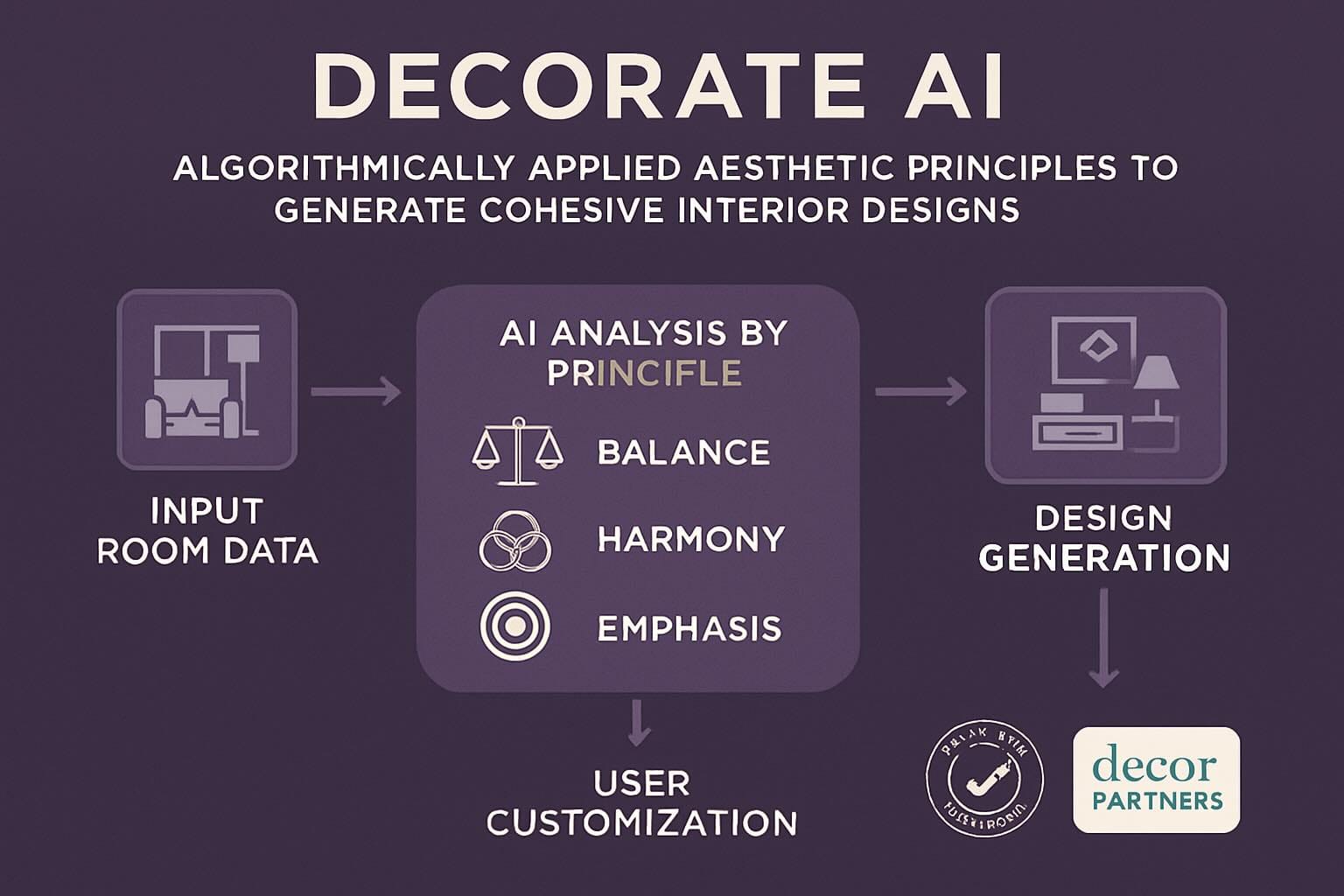
Here’s how it works:
- You Upload Your Room: Our AI analyzes the dimensions, light sources, and existing architecture.
- AI Evaluates and Applies Principles: The algorithm assesses the space for balance, identifies the best focal point, and considers scale and proportion for any new elements.
- Generates Harmonious Designs: It then creates multiple design options that are all built on the principles of good design, ensuring the suggestions for color, layout, and furniture are cohesive and visually pleasing.
You get to see what asymmetrical balance would look like in your living room or discover a focal point you never considered, all within minutes. It’s like having a design expert on call, ready to translate these rules into practical, personalized solutions.
Try our AI designer to find the perfect balance for your room.
Putting It All Together: A Cohesive Home Design Checklist
Now that you're armed with the theory, you can start looking at your own home with a designer's eye. Use this checklist to audit your space and identify areas for improvement.
This quick audit can reveal exactly why a room feels "off" and give you a clear direction for fixing it. If you find yourself struggling to visualize the changes, that’s the perfect time to let technology help.
Frequently Asked Questions
Do I have to follow every single one of these rules?
Think of them less as rigid rules and more as proven guidelines. The best designs often know when to break a rule for dramatic effect. However, you must understand the rules first before you can break them effectively. Start by following them, and as you build confidence, you can begin to experiment.
Can an AI really understand my personal style?
Absolutely. Our platform starts with your style preferences—whether you love Mid-Century Modern, Farmhouse, or Minimalism. The AI then applies the universal principles of design within the framework of your chosen style. It ensures your bohemian living room is balanced and harmonious, just as it would for a sleek, contemporary space.
How is using Decorate AI better than just finding inspiration on Pinterest?
Pinterest is fantastic for inspiration, but it shows you finished rooms without context. It doesn't tell you if that oversized sofa will actually fit in your smaller living room (scale) or how to balance it with your existing furniture (asymmetrical balance). Decorate AI applies these principles directly to an image of your room, providing a practical, actionable plan instead of just a beautiful but unattainable picture.
What if I don't have a budget for all new furniture?
You don't need one. The principles of design are often about arrangement, not acquisition. Simply rearranging your existing furniture to create better balance, establishing a clear focal point, or improving rhythm can dramatically transform a room for free. Decorate AI can even generate new layouts using the furniture you already have.
Your Next Step Toward a Confident Design
Great interior design isn’t magic—it's a process of applying time-tested principles to create spaces that support and inspire you. By understanding balance, harmony, emphasis, rhythm, and scale, you've already taken the most important step in your design journey. You now have the framework to diagnose problems and make decisions with confidence.
The next step is to put that knowledge into practice. Start by auditing your room with the checklist. When you’re ready to visualize the possibilities and see how a master designer would apply these principles to your home, we’re here to help.