The Definitive Guide to a Healthy Home: An Action Plan for Better Air, Light, and Well-Being
You know your home should be a sanctuary, a safe place for you and your family. But a growing sense of unease suggests it might not be. You've heard the terms—VOCs, EMFs, poor air quality—and now you're trying to figure out which solutions are genuinely effective and which are just noise. You’re not looking for a simple checklist; you’re looking for a clear, data-backed plan to make meaningful improvements.
This is that plan.
The concern is valid. The U.S. Environmental Protection Agency (EPA) reports that we spend about 90% of our time indoors, where pollutant levels can be two to five times higher than outside. The World Health Organization (WHO) even links household air pollution to an estimated 3.2 million deaths per year globally.
Feeling a little anxious reading that is normal. The good news is that you have the power to change it. Creating a truly healthy home isn't about a single product; it's about a holistic approach to your entire indoor environment. Let's walk through the framework that transforms your home from a passive shelter into an active environment that promotes well-being.
Beyond Air Quality: The 5 Pillars of a Truly Healthy Home
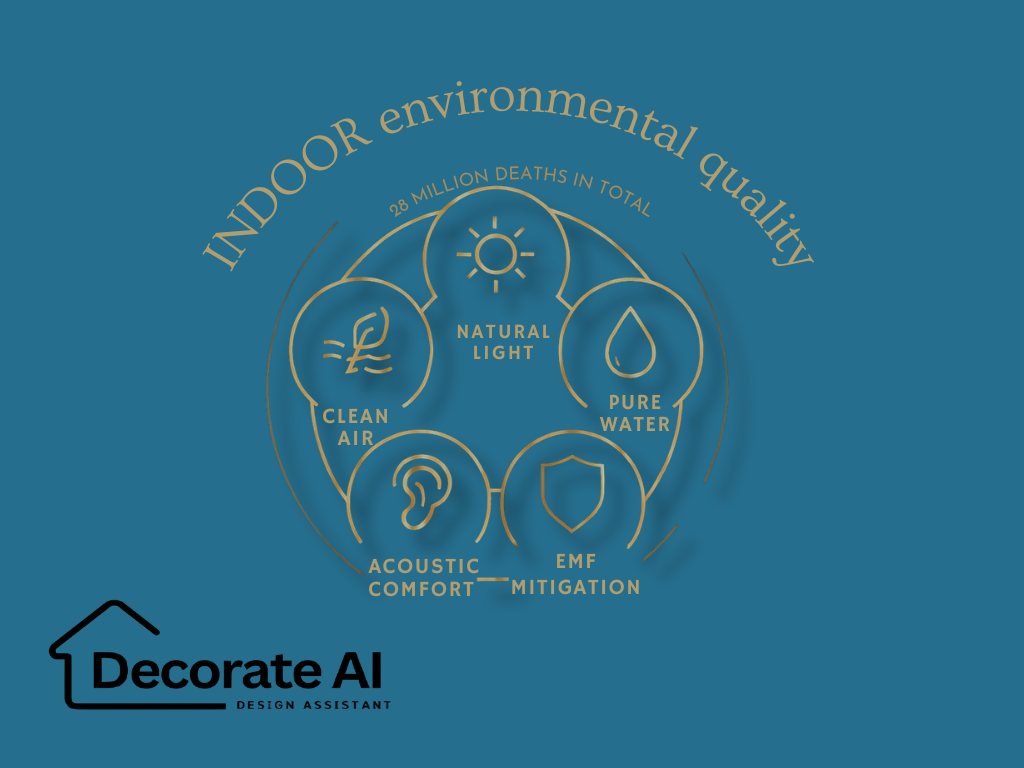
Most guides stop at air quality. They're missing the bigger picture. True Indoor Environmental Quality (IEQ) rests on five interconnected pillars that work together to support your family's health. Understanding this framework is the first step toward making targeted, effective decisions.
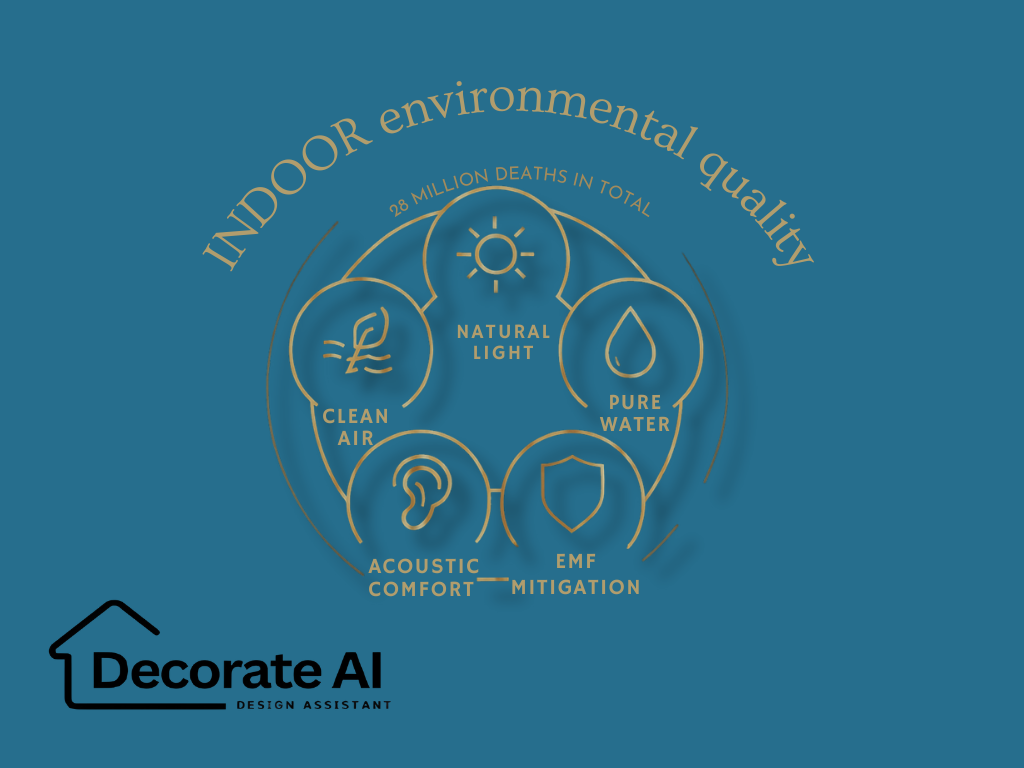
- Clean Air: Mitigating pollutants from dust and dander to invisible chemical off-gassing.
- Natural Light: Aligning your home's lighting with your body's natural circadian rhythms to improve sleep and energy.
- Pure Water: Ensuring the water you drink and bathe in is free from contaminants.
- Acoustic Comfort: Designing for sound to reduce stress and improve focus.
- EMF Mitigation: Managing your exposure to the electromagnetic fields generated by modern technology.
By addressing each of these pillars, you create a layered system of health that delivers true peace of mind.
Pillar 1: Mastering Your Indoor Air Quality (The EPA Blueprint, Enhanced)
When it comes to air, the EPA provides a powerful and logical three-step model: control the source, ventilate the space, and clean the air. We’ll use that trusted blueprint and enhance it with the practical details and product evaluation criteria you need to take action.
Step 1: Source Control - Remove the Polluters
The most effective way to improve your air is to remove the source of pollution. Many everyday items release Volatile Organic Compounds (VOCs), allergens, and other irritants.
Your Source Control Action Checklist:
- Paints & Finishes: When renovating, choose paints labeled "No-VOC" or "Low-VOC." These emit significantly fewer harmful chemicals as they dry.
- Furniture & Flooring: New furniture, carpeting, and particleboard cabinets can off-gas formaldehyde and other VOCs for months. Look for solid wood furniture and products with certifications like Greenguard Gold, which indicates low chemical emissions.
- Cleaning Products: Swap harsh chemical cleaners for simple, effective alternatives like vinegar, baking soda, and plant-based soaps. Avoid synthetic fragrances, which are a major source of airborne chemicals.
- Moisture & Mold: Use exhaust fans in bathrooms and kitchens to vent moisture outside. Check under sinks and in basements for leaks, and address any signs of mold immediately to prevent spore circulation.
Step 2: Ventilation - Let Your Home Breathe
After removing pollution sources, the next step is to flush out any remaining contaminants. Ventilation simply means replacing stale indoor air with fresh outdoor air.
- Simple Ventilation: The easiest method is opening windows for 10-15 minutes each day, even in colder months, to create cross-ventilation.
- Mechanical Ventilation: For a more advanced solution, consider an Energy Recovery Ventilator (ERV) or a Heat Recovery Ventilator (HRV). These systems integrate with your HVAC to provide a constant supply of fresh, filtered air while minimizing energy loss.
Step 3: Air Purification - Choosing the Right Shield
For many families, especially those with allergies, asthma, or sensitivities, a high-quality air purifier is a critical final layer of defense. This is where many people get stuck, facing a wall of technical jargon. Let's demystify it.
The key is to match the technology to your specific problem—whether it's allergens, VOCs from new furniture, or mold concerns.
Once you've identified your primary need, you need to compare the specifications to ensure the unit is effective for your space.
Key Terms to Know:
- HEPA (High-Efficiency Particulate Air): The gold standard for capturing physical particles like dust, pollen, pet dander, and mold spores. A True HEPA filter captures 99.97% of particles as small as 0.3 microns.
- Activated Carbon: This is what tackles gases, odors, and VOCs. The more carbon in the filter, the more effectively it will absorb chemicals and smells.
- CADR (Clean Air Delivery Rate): This number tells you how quickly the purifier cleans a room. Look for a CADR rating that is at least two-thirds of your room's square footage (e.g., for a 150 sq. ft. room, you need a CADR of at least 100).
Pillar 2: Designing with Light for Better Health
The light in your home does more than just illuminate rooms; it cues your brain and body, regulating your sleep-wake cycle, also known as your circadian rhythm.
- Maximize Natural Light: Arrange furniture to take full advantage of daylight. Use sheer curtains instead of heavy drapes to let in diffused light while maintaining privacy. Biophilic design, which incorporates natural elements, leverages light to reduce stress and improve focus.
- Choose Healthy Artificial Light: In the evenings, bright blue-toned overhead lights can disrupt melatonin production and harm sleep quality. Opt for warm-toned (2700K) bulbs in lamps. Consider "human-centric" or full-spectrum lighting that mimics the natural progression of sunlight throughout the day.
Pillars 3 & 4: Pure Water and Acoustic Comfort
While air and light are primary concerns, water and sound complete the sensory experience of a healthy home.
- Pure Water: Municipal water is treated, but it can still contain chlorine, heavy metals, and other contaminants. A simple carbon filter pitcher is a good start. For a comprehensive solution, consider an under-sink reverse osmosis system or a whole-house filter.
- Acoustic Comfort: Constant background noise from appliances, traffic, or neighbors can elevate stress levels. Soft materials like area rugs, curtains, and upholstered furniture absorb sound. Solid-core doors can also significantly reduce noise transmission between rooms.
Pillar 5: Navigating the Unseen: A Practical Guide to EMFs
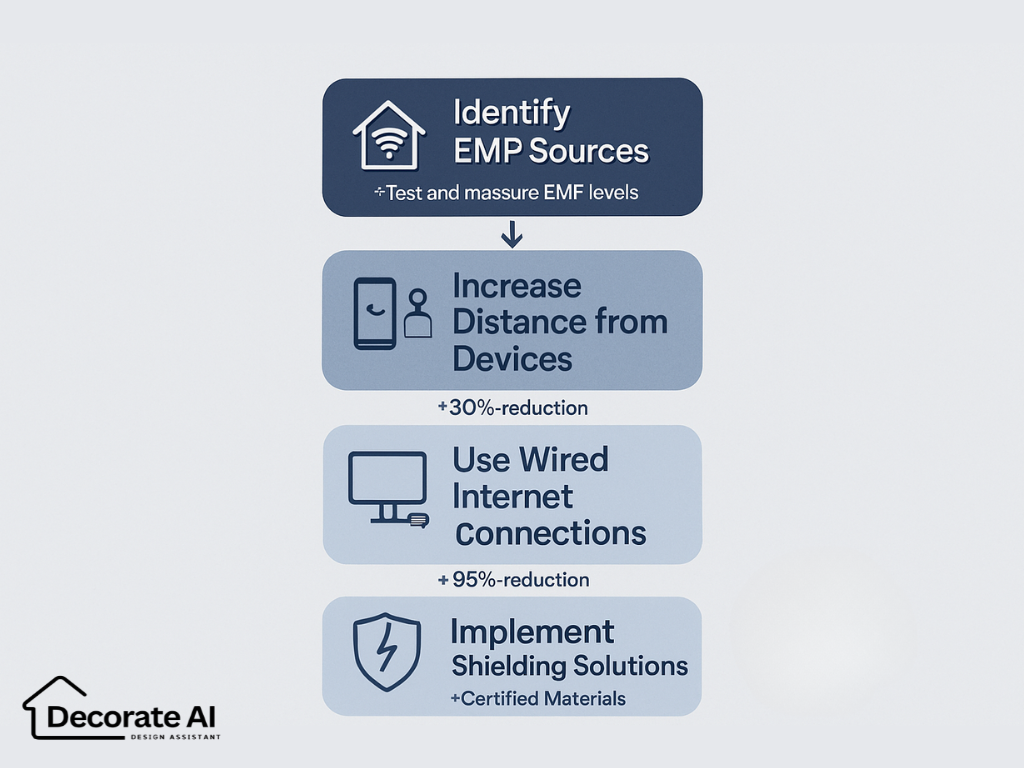
Electromagnetic fields (EMFs) are an emerging concern for many health-conscious families. While the science is still developing, a "prudent avoidance" approach can provide peace of mind without requiring a drastic lifestyle change. The goal is simple: reduce your exposure where you can, especially in areas where you spend the most time, like the bedroom.
Your Healthy Home Action Plan
Feeling overwhelmed? Don't be. Start with the easiest, highest-impact changes and build from there.
Phase 1: The Quick Wins (Free & Low-Cost)
- Open windows for 15 minutes daily.
- Take off shoes at the door to reduce tracked-in pollutants.
- Switch to non-toxic cleaning supplies.
- Move your Wi-Fi router out of the bedroom and put phones on airplane mode at night.
Phase 2: Strategic Investments (Mid-Cost)
- Purchase a high-quality air purifier for the primary bedroom.
- Invest in a quality water filter for drinking water.
- Replace old, synthetic pillows with ones made from natural materials like organic latex or wool.
- Change light bulbs in evening-use areas to warm-toned, low-flicker LEDs.
Phase 3: Long-Term Upgrades (Higher Investment)
- When you repaint, choose No-VOC paint.
- When it's time to replace your mattress or sofa, prioritize models with GOTS or Greenguard Gold certifications.
- Consider installing an ERV/HRV system during your next major renovation.
Frequently Asked Questions
How do I know if my home's air quality is actually bad?
While professional testing is an option, you can often rely on your senses. Do you notice musty odors? Do your allergy symptoms worsen at home? Do you feel groggy or get headaches frequently? These can all be symptoms of poor IEQ. Taking action is a proactive step toward prevention, regardless of current symptoms.
Is it really worth the cost to buy an expensive air purifier or organic mattress?
Think of it as a long-term investment in your family's health. The cost of an air purifier is minimal compared to the long-term health burdens associated with respiratory issues, which the WHO has directly linked to indoor air pollution. The financial justification comes from preventing future problems and improving your quality of life today.
Can't I just use a lot of houseplants to clean the air?
While plants are a wonderful part of biophilic design and can make you feel better, the famous NASA study on plants and air purification was conducted in a small, sealed chamber. In a real-world home with normal air exchange, you would need hundreds of plants to make a noticeable difference in air quality. They are a great supplement, but not a replacement for ventilation and purification.
Creating a healthy home is a journey, not a destination. By using this five-pillar framework, you can move from uncertainty to confident action, making informed choices that will protect and support your family's well-being for years to come.
When you're ready to implement these principles in your own space, Decorate AI can help you visualize layouts that maximize natural light and select finishes and furnishings made from non-toxic materials, seamlessly integrating health into the heart of your design.