Smart Interior Solutions for Small Homes
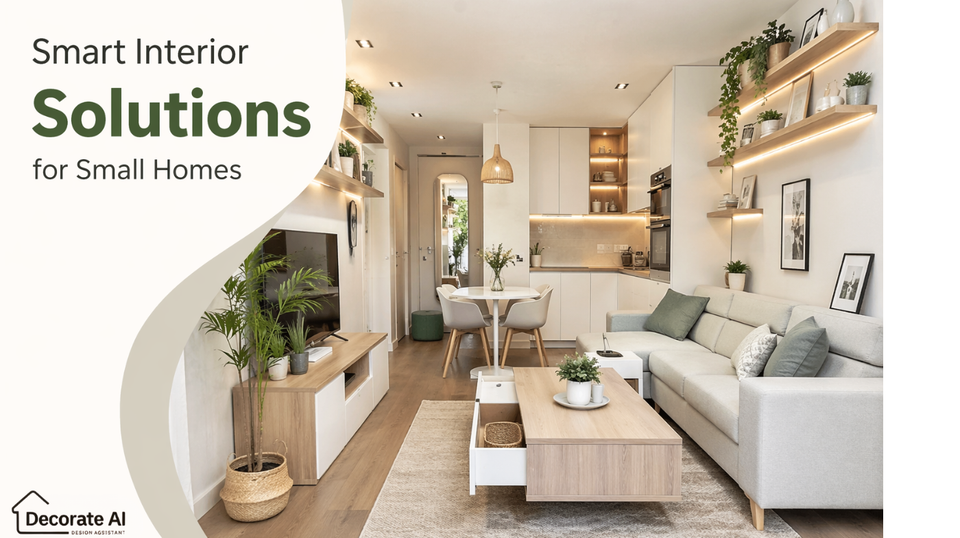
Living in a small home does not mean sacrificing style, comfort, or functionality. In fact, smaller spaces often inspire more creative and efficient design choices. With the right interior design strategies, even the most compact apartment, studio, or small house can feel spacious, organized, and inviting.
As urban living becomes more common and housing costs continue to rise, homeowners and renters are increasingly looking for smart interior solutions that maximize every square meter. Here are the best ways to make a small home feel bigger, brighter, and more functional.
1. Choose Multifunctional Furniture
One of the most effective ways to save space in a small home is by using furniture that serves multiple purposes.
Examples include:
- Sofa beds for guest rooms or studio apartments
- Coffee tables with hidden storage
- Extendable dining tables
- Beds with built-in drawers
- Foldable desks or wall-mounted workstations
Multifunctional furniture helps reduce clutter while making the most of limited space.
2. Use Vertical Space Wisely
When floor space is limited, think vertically. Walls are often underused in small homes, yet they can provide valuable storage and organization opportunities.
Smart vertical storage ideas include:
- Floating shelves
- Tall bookcases
- Wall-mounted cabinets
- Hanging hooks for coats, bags, or kitchen tools
- Vertical storage systems in closets and bathrooms
Using wall space effectively can free up room and make the home feel less crowded.
3. Let Natural Light In
Natural light is one of the easiest ways to make a small room appear larger and more open. Dark spaces often feel more cramped, while bright spaces feel fresh and airy.
To maximize light:
- Use sheer curtains instead of heavy drapes
- Place mirrors near windows to reflect light
- Keep window areas free from bulky furniture
- Choose light-colored walls and flooring
The more natural light a room receives, the more spacious it will feel.
4. Use Mirrors to Create Depth
Mirrors are a classic interior design trick for small spaces. They reflect both light and the room itself, creating the illusion of more space.
Popular ways to use mirrors include:
- Large mirrors in living rooms or entryways
- Mirrored closet doors
- Decorative wall mirrors above furniture
- Full-length mirrors in bedrooms
Strategically placed mirrors can instantly make a room feel larger and brighter.
5. Stick to a Light and Neutral Color Palette
Color has a major impact on how large or small a room feels. Light colors reflect light better, helping create an open and airy atmosphere.
Recommended colors for small homes include:
- White
- Soft beige
- Light gray
- Warm cream
- Pale earth tones
Adding subtle accents through cushions, artwork, or rugs can still bring personality without overwhelming the space.
6. Keep the Layout Open and Simple
A cluttered layout can make even a medium-sized room feel small. In compact homes, every piece of furniture should have a clear purpose.
Tips for a more open layout:
- Avoid oversized furniture
- Leave enough space for movement
- Use fewer but more functional pieces
- Keep pathways clear
- Choose furniture with slim legs or open bases
Minimal and intentional layouts help create a sense of flow and balance.
7. Invest in Smart Storage Solutions
Storage is one of the biggest challenges in small homes. The key is to use hidden and underutilized areas efficiently.
Smart storage ideas include:
- Under-bed storage boxes
- Built-in cabinets
- Storage benches
- Corner shelves
- Hidden compartments inside furniture
- Over-the-door organizers
Well-designed storage reduces visual clutter and makes small homes easier to maintain.
8. Create Zones Within One Space
In many small homes, a single room needs to serve multiple purposes. Creating zones helps define each area without adding walls.
For example:
- Use rugs to separate the living area from the dining area
- Add open shelving as a room divider
- Use lighting to define different functions
- Position furniture to create natural boundaries
This approach helps make open-plan spaces feel more organized and functional.
9. Add Personality Without Overcrowding
A small home should still reflect your personality and style. The key is to choose a few meaningful decorative pieces rather than filling every corner.
Consider:
- One statement artwork
- A few indoor plants
- Textured cushions or throws
- Stylish lighting fixtures
- Minimal but intentional décor
Small spaces often look better when every decorative item has a purpose.
10. Use AI Tools to Design More Efficiently
Technology is making small-space design easier than ever. AI-powered interior design tools can help homeowners visualize layouts, test furniture arrangements, and find the best use of available space.
This is where Decorit can help.
Decorit allows users to explore design ideas, personalize layouts, and create smarter interiors based on their specific needs and room dimensions. For small homes, this means making faster and more confident design decisions without wasting time or money.
Final Thoughts
Small homes can be just as beautiful, comfortable, and functional as larger ones. With smart furniture choices, efficient storage, thoughtful layouts, and the right use of light and color, any compact space can feel larger and more livable.
The secret is not having more space—it is using the space you have more intelligently.