How Interior Design Affects Mood & Focus
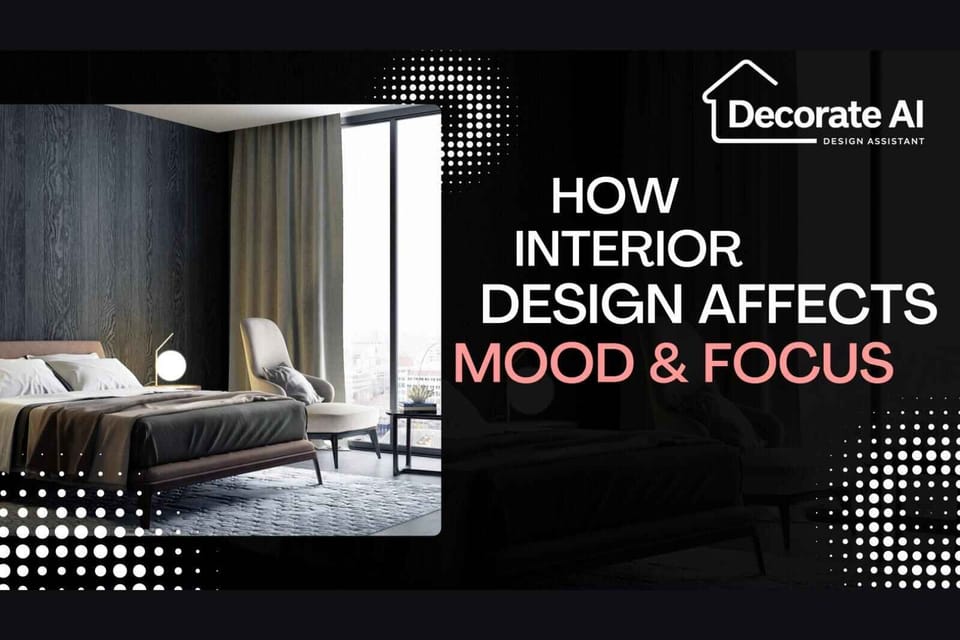
Interior design is far more than decoration. The spaces we live and work in have a direct impact on our mood, focus, energy levels, and overall well-being. In a world where people spend more time indoors than ever before, interior design plays a crucial role in shaping how we feel and perform every day.
In this article, we explore how thoughtful interior design influences mood and focus—and how small design decisions can create meaningful changes in daily life.
The Psychology Behind Interior Design
Our brains constantly respond to our environment, even when we are not consciously aware of it. Colors, light, layout, textures, and even ceiling height affect how our nervous system reacts.
A well-designed space can:
- Reduce stress and anxiety
- Improve concentration and productivity
- Increase feelings of comfort and safety
- Support emotional balance
Poorly designed environments, on the other hand, can cause distraction, fatigue, and mental overload.
Color and Emotional Response
Color is one of the most powerful tools in interior design psychology.
- Warm neutrals (beige, soft brown, warm gray) promote calm and comfort
- Blues and greens are associated with focus, clarity, and relaxation
- Earthy tones create grounding and emotional stability
- Overly bright or saturated colors, when used excessively, can increase restlessness or stress
Choosing the right color palette helps align a space with its intended purpose—whether that’s rest, focus, or creativity.
Natural Light and Mental Clarity
Lighting has a profound effect on mood and cognitive performance.
Natural light:
- Regulates circadian rhythms
- Improves alertness and focus
- Boosts overall mood and energy
Spaces with limited or harsh lighting can lead to eye strain, fatigue, and reduced productivity. In modern interior design, maximizing daylight and using layered lighting solutions is essential for mental well-being.
Layout, Flow, and Focus
The way a space is organized directly affects how easily the mind can focus.
- Cluttered layouts increase cognitive load
- Clear pathways reduce mental friction
- Well-defined zones help the brain switch between activities
A thoughtful layout allows the mind to relax, knowing where things belong and how the space is meant to be used.
Nature, Texture, and Sensory Balance
Biophilic design—bringing elements of nature indoors—has been proven to reduce stress and improve concentration.
Natural materials such as wood, stone, linen, and plants:
- Add warmth and authenticity
- Create sensory balance
- Help reduce mental fatigue
Textures also matter. Soft fabrics and organic surfaces can make a space feel safe and calming, while harsh or overly glossy finishes may feel cold or overstimulating.
Designing for Focused Living
In today’s flexible lifestyles, homes often serve multiple purposes. Interior design must support focus without sacrificing comfort.
Design choices that support concentration include:
- Dedicated zones for work or study
- Minimal visual distractions
- Comfortable, ergonomic furniture
- Calming color palettes and controlled lighting
A focused environment doesn’t need to be rigid—it needs to be intentional.
Emotional Connection and Personal Identity
Spaces that reflect personal identity foster emotional comfort. When people feel connected to their environment, they feel more at ease and mentally balanced.
Personalization—through art, meaningful objects, and tailored layouts—helps transform a house into a supportive living environment rather than just a functional space.
The Role of Intelligent Design Tools
As interior design becomes more personalized, intelligent tools play an important role in helping people make better decisions. Understanding how design affects mood and focus allows homeowners to create spaces that truly support their lifestyle.
This is where platforms like Decorit help bridge the gap between inspiration and intention—making it easier to design spaces that feel right, not just look good.
Final Thoughts
Interior design shapes how we think, feel, and function. When spaces are designed with mood and focus in mind, they become powerful tools for well-being, productivity, and emotional balance.
Good design doesn’t overwhelm—it supports.