From Passion Project to Design Statement: A Guide to Decorating with Your Hobbies
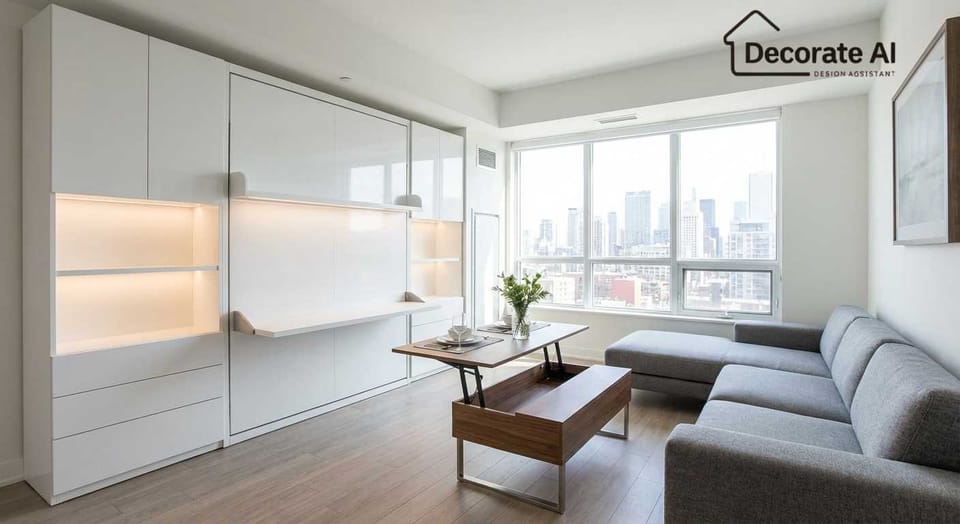
You have a passion that defines you—a collection of vintage cameras, a library of beloved books, a corner filled with guitar stands. The challenge isn't the love for your hobby; it's the execution. How do you integrate these important pieces of your life into your home without creating clutter? How do you move from a pile of "stuff" to an intentional design statement?
You're in the evaluation stage, weighing your options. You've likely seen endless inspiration on Pinterest and HGTV, but those glossy photos often lack the practical blueprint for your specific hobby and your unique space. This is where most guides fall short. They show you the "what" but not the "how."
We believe your home should tell your story. That's why we've created this guide—not just for inspiration, but for confident decision-making. We'll provide the framework and technical details you need to transform your passion into a personalized, functional, and beautiful part of your home.
The Foundational Choice: Integrated Decor vs. Dedicated Space
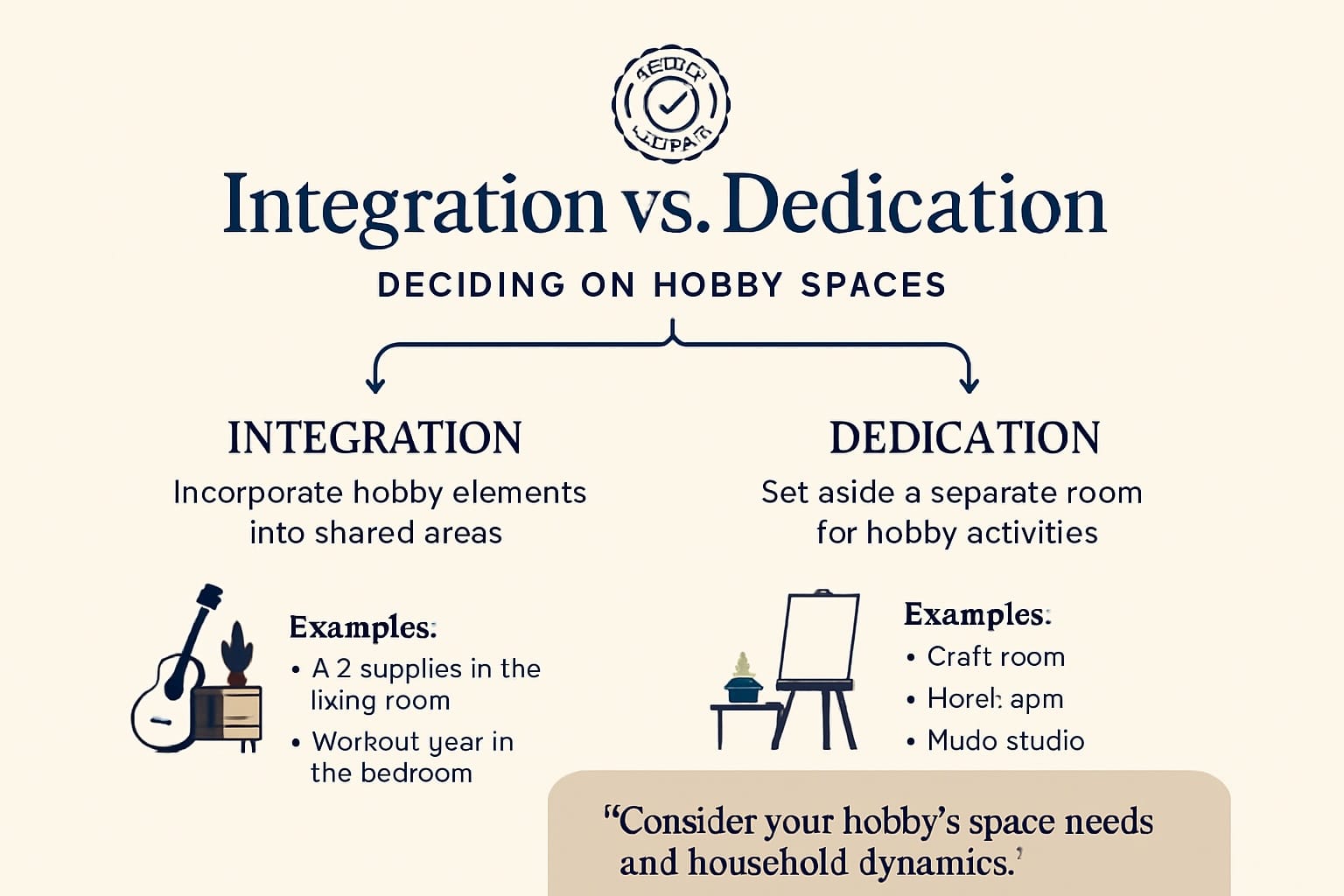
Before you buy a single shelf, your first decision is strategic. Are you integrating your hobby into your daily living spaces, or are you creating a dedicated zone? Competitive analysis shows this is the primary decision point for most homeowners, yet it's rarely addressed with a clear framework.
- Integrated Decor: This approach weaves your hobby into the fabric of your existing rooms. It’s perfect for passions that are inherently aesthetic, like displaying collections, books, or musical instruments as functional art. This is the ideal solution for those with limited square footage or who want their passions to be a constant, visible part of their life.
- Dedicated Space: This involves carving out a specific area—from a small "hobby nook" to an entire room—for your pursuit. This is essential for hobbies that require specialized equipment, create a mess, or need a controlled environment, such as painting, woodworking, serious gaming, or music production.
Universal Principles for an Elevated Display
Regardless of your chosen path, the difference between a curated collection and simple clutter comes down to a few core design principles. Moving beyond the generic advice, here are the rules that professionals use to create intentional displays.
- Curation Over Completion: You don't need to display everything you own. Select your most meaningful, interesting, or visually appealing pieces. Rotate items seasonally to keep the display fresh and engaging.
- The Power of Grouping: Odd numbers are your friend. Grouping items in threes or fives—a concept known as the "Rule of Threes"—creates a sense of balance and intention that is more visually appealing than symmetrical pairs.
- Create Visual Breathing Room: Don't crowd your shelves. Leaving negative space around objects makes each one feel more important and prevents the display from looking chaotic. Mix your hobby items with other decor like small plants, photos, or vases to create a balanced look.
- Light It Right: Proper lighting is the single most effective way to elevate a display from an afterthought to a focal point. Use directional spotlights, picture lights, or integrated cabinet lighting to highlight your favorite pieces.
The Hobby-Specific Blueprint: From Idea to Execution
This is where we move beyond the generic advice found elsewhere. A painter's needs are fundamentally different from a gamer's. Below are technical blueprints for common hobby archetypes, giving you the specific, actionable details that turn a good idea into a great space.
For the Artist: The Home Studio
- Key Considerations: Natural light is paramount, so position your easel near a window. For work after dark, you need specialized lighting. Proper ventilation is also a non-negotiable for oil painters or those using solvents.
- Actionable Pro-Tip: To ensure true color accuracy, use LED bulbs with a Color Rendering Index (CRI) of 95 or higher. This technical detail makes a world of difference in the quality of your work. For storage, consider flat file cabinets to protect finished pieces on paper.
For the Musician: The Practice Space
- Key Considerations: Sound management is about two things: improving the room's acoustics and preventing sound from disturbing others. You also need safe, accessible storage for your instruments to protect them from damage.
- Actionable Pro-Tip: You don’t need a professional studio. Strategically placing thick rugs, heavy drapery, and even a plush sofa can absorb sound and reduce echo. For more targeted treatment, stylish acoustic panels can double as wall art.
For the Collector: The Personal Gallery
- Key Considerations: Protection and display are equally important. Think about the material of your collectibles—are they sensitive to sunlight? Do they need to be behind glass to protect from dust?
- Actionable Pro-Tip: For valuable paper, textiles, or photographs, use UV-filtering glass or acrylic in your frames and display cases. This single investment can prevent irreversible fading and preserve the value of your collection.
For the Gamer: The Command Center
- Key Considerations: Long sessions demand a focus on ergonomics—a supportive chair and a desk at the right height are critical. Cable management and ambient lighting are key to creating an immersive, uncluttered environment.
- Actionable Pro-Tip: Eliminate visual clutter by running all your wires through a single cable sleeve or using adhesive clips under your desk. For lighting, place an LED light strip behind your monitor to reduce eye strain and create a modern, immersive glow.
Choosing Your Gear: A Practical Furniture & Lighting Guide
Selecting the right furniture is a crucial evaluation step. It’s a balance of aesthetics, function, and budget. While competitors show finished rooms, they rarely break down the pros and cons of the components. This practical comparison will help you make a more informed choice.
Investing in the right setup isn't just a purchase; it's an investment in your well-being, efficiency, and the overall value of your home. A well-designed hobby space encourages you to spend more time doing what you love and transforms a chaotic corner into a valuable, functional asset.
Frequently Asked Questions (FAQ)
My partner thinks my hobby items are just clutter. How do I get them on board?
The key is to frame it as an intentional design choice, not just storage. Use the principles of curation and grouping to create a display that feels like an art installation. By presenting a thought-out plan that respects the overall aesthetic of your home, you can turn a point of contention into a shared design project.
I live in a small apartment. Can I still create a dedicated hobby space?
Absolutely. Think vertically and multi-functionally. Use vertical wall space with floating shelves or a pegboard system. A "hobby nook" can be created in the corner of a living room or office with a small desk and clever storage. Multi-functional furniture, like an ottoman with hidden storage, is also a great solution.
I'm worried about investing in custom solutions. Is it worth it?
While not always necessary, custom built-ins can be a fantastic investment for uniquely shaped spaces or extensive collections. They maximize every inch of space and can significantly increase your home's resale value by adding sophisticated, integrated storage. Compare the long-term benefits of a perfect-fit solution to the potential compromises of off-the-shelf options.
How can I be sure the final look will be cohesive with the rest of my home?
This is a common and valid concern. The best way to ensure cohesion is to visualize the result beforehand. This is precisely where technology can bridge the gap. Using a tool like Decorate AI allows you to upload a photo of your actual room and see how different shelving, furniture, and layouts will look, ensuring your new hobby space complements your existing style perfectly.
Your Next Step: From Passion to Personalized Haven
You've now moved beyond simple inspiration. You have a framework for your primary decision, universal design principles, and technical blueprints for your specific passion. You understand the trade-offs between different furniture solutions and have answers to the most common challenges.
The final step is to bring this vision to life in your own home.
Stop guessing and start visualizing. Upload a photo of your room to Decorate AI today. Our AI-powered platform will generate personalized design concepts that seamlessly integrate your hobby, helping you create a space that is not only functional but a true reflection of you. Make your home your story.